
Five practical ways to work smarter, collaborate better, and drive growth in 2027.
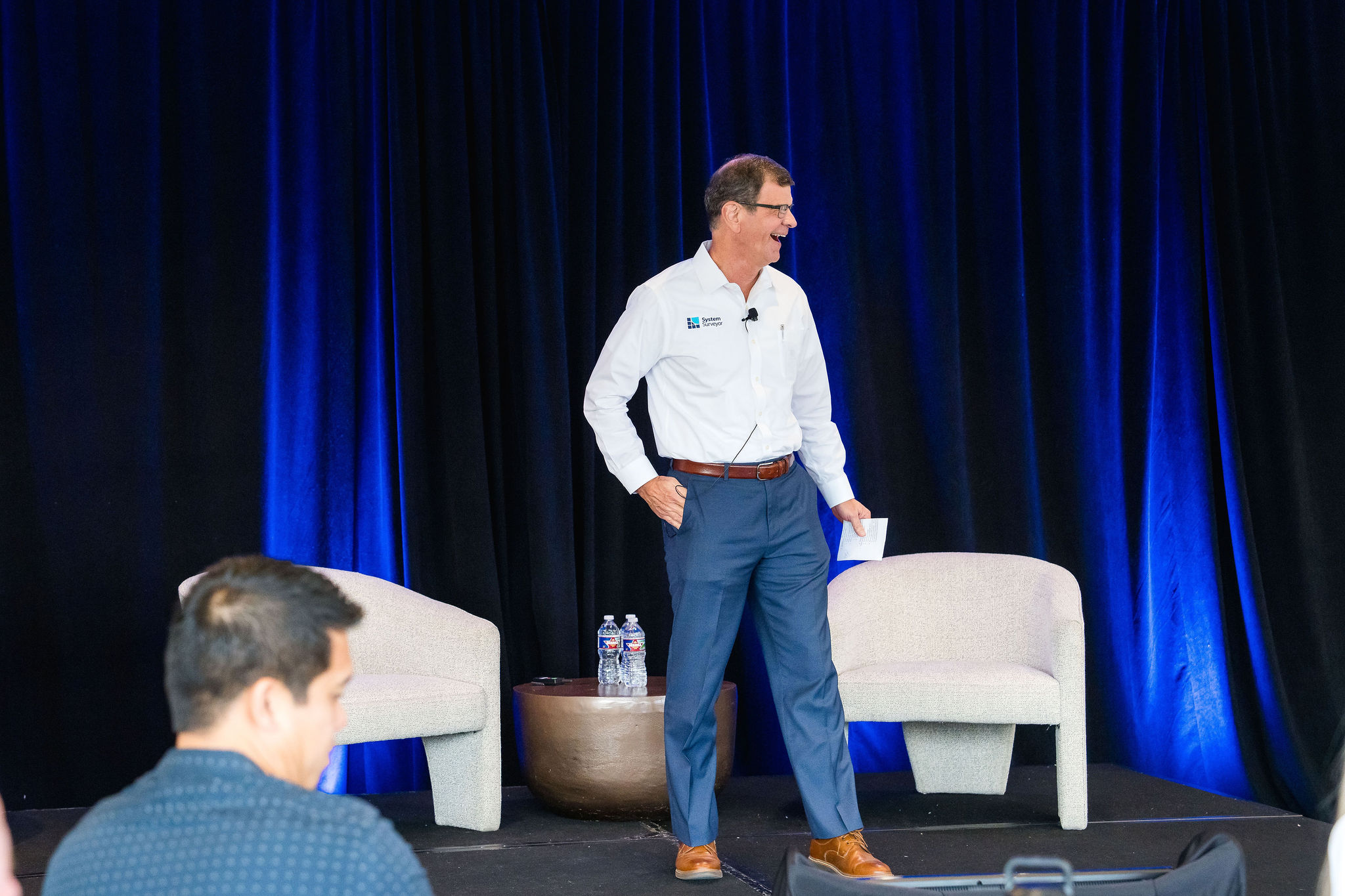
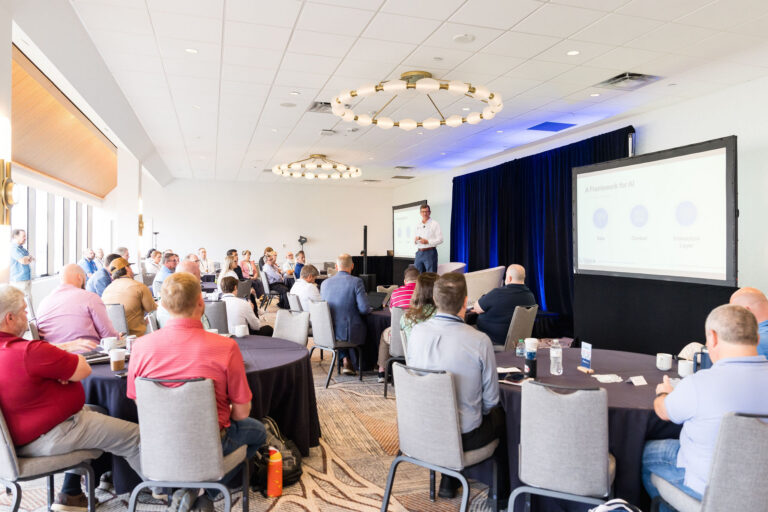
Our inaugural System Surveyor THRIVE 2026 conference brought together an incredible community of physical security professionals — end users, system integrators, manufacturers, and technology partners — to explore how we can design, collaborate, and deliver better security outcomes.
What made THRIVE especially meaningful wasn’t simply the exchange of ideas. It was the opportunity to learn from one another, challenge traditional approaches, and identify practical ways to work smarter, collaborate more effectively, and grow.
The feedback was overwhelmingly positive. THRIVE earned an average rating of 4.9 out of 5 among post-event survey respondents, who especially appreciated direct interaction with the System Surveyor team, hands-on workflow discussions, and opportunities to connect with industry peers.
An attendee from CommonSpirit shared:
“Probably the best conference I’ve been to.”
But beyond the positive feedback, what excited us most were the conversations about what’s next for physical security system design, sales, installation, and ongoing management.
As we close out 2026 and look ahead to 2027, five takeaways stand out. Each offers a practical opportunity to strengthen customer relationships, improve business performance, and create better physical security outcomes.
1. Collaboration Is the Future of Physical Security
One of the most encouraging takeaways from THRIVE was the validation of something we’ve believed for a long time: the best physical security outcomes happen when end users, system integrators, and manufacturers work together.
Each brings an important perspective:
- End users understand their security risks, operational challenges, and business objectives.
- System integrators translate those needs into effective physical security system designs and successful deployments.
- Manufacturers contribute the technologies and innovations that make those solutions possible.
Too often, these groups operate in separate workflows, with information passed between disconnected documents, drawings, and conversations.
When everyone collaborates around a single source of truth for physical security system design, they can reduce information gaps, improve decision-making, and create a stronger foundation for successful project delivery.
The THRIVE experience reinforced the value of bringing these groups together. In fact, direct interaction with the System Surveyor team was the most frequently selected favorite aspect of the event among survey respondents.
This kind of collaboration shouldn’t be limited to a conference. It should be built into the way physical security projects are planned, designed, and delivered.
Your 2027 action: Engage end users and manufacturer partners earlier, establish shared expectations, and use a collaborative digital platform to keep everyone aligned from initial concept through installation and delivery.
2. Become an AI-Powered System Integrator or Physical Security Leader
Artificial intelligence presents an enormous opportunity for physical security organizations — not simply through new security technologies, but by transforming how teams work every day.
The interest at THRIVE was clear. The AI Product Introduction and Product Roadmap session was selected as a favorite at least half of our survey respondents, while others selected Implementing AI in Your Business.
For system integrators, the opportunity is to become an AI-powered system integrator, using AI to multiply the effectiveness of existing resources, improve accuracy, and accelerate business processes.
For end users, becoming an AI-powered physical security leader means leveraging intelligent tools to improve security system design planning, collaboration, documentation, and decision-making.
One practical example is System Surveyor’s AI Notetaker.

Consider the traditional customer discovery process. A salesperson or security professional meets with a customer on a site survey, gathers requirements, takes notes, and then works to translate those conversations into a physical security system design and estimate.
Important information can be missed, misunderstood, or lost as a project moves from sales to engineering, installation, and delivery.
An AI-powered notetaker that transcribes the site walk can help capture and organize critical information at the first point of customer engagement, creating a more complete foundation for downstream work.
The potential benefits are significant:
- Multiply your resources: Help teams accomplish more without proportionally increasing headcount.
- Improve estimating accuracy: Capture customer requirements earlier and more consistently.
- Reduce costly rework: Improve the handoff of information between sales, design, and installation.
- Protect project margins: Reduce the risk of overlooked requirements and unexpected changes.
- Deliver better customer outcomes: Maintain continuity from the initial conversation through project completion.
The real power of AI comes when the information it helps capture can be used throughout the security system project lifecycle, rather than remaining isolated in a single tool.
AI won’t replace the expertise of physical security professionals. It can make that expertise more valuable and scalable.
Your 2027 action: Identify one or two high-impact workflows where AI can improve productivity and accuracy. Start with customer discovery, requirements gathering, and project documentation. Measure the time saved, information quality, and impact on project delivery. Try AI-Notetaker today, available in most of our plans.
Explore how System Surveyor is bringing AI-powered capabilities into physical security workflows.
3. Stop Selling Boxes. Start Solving Problems.
One of the most engaging sessions at THRIVE featured Ken Kocher, Executive Director of Government Solutions at Digital Monitoring Products (DMP), and Tradd Kendrick from System Surveyor, challenging system integrators to rethink how they approach sales.

The session was selected as a favorite, and its message was simple but powerful:
Stop selling. Start solving.
Customers aren’t simply buying security cameras, access control systems, or intrusion detection devices. They’re investing in physical security solutions to real challenges and business needs.
Based on years of experience, Ken and Tradd shared three practical principles for becoming a more effective, trusted advisor.
Take the lead without taking over.
The best sales professionals guide the conversation, ask thoughtful questions, and help customers uncover needs they may not have initially recognized.
Leadership in the sales process comes from earning trust, not controlling the conversation.
Educate. Diagnose. Then recommend.
Before recommending security system technology, help customers understand their security risks and how those risks can be mitigated.
Start with discovery and education rather than a product demonstration or equipment list. The right solution begins with understanding the problem.
Make what you promised visible.
Once the customer’s needs are understood, translate those conversations into a clear, collaborative physical security system design.
Make the proposed scope, expectations, and next steps visible so everyone understands what success looks like.
These principles help system integrators differentiate themselves, build stronger customer relationships, and create greater alignment between sales, design, installation, and delivery.
They also reinforce the importance of a single source of truth throughout the physical security project lifecycle.
Your 2027 action: Challenge your sales team to lead with better discovery questions, educate customers on their risks, and make proposed solutions visible before quoting equipment.
Want to experience this approach firsthand? Join our upcoming webinar featuring Ken Kocher from DMP and Tradd Kendrick from System Surveyor as they share practical strategies for uncovering customer needs, building trust, and delivering better physical security outcomes.
4. Process Standardization and Digital As-Builts Drive Long-Term Value
Another recurring theme at THRIVE was the importance of driving consistent adoption of software and best practices throughout an organization.
The Workflow Workshop and Product Roadmap Input session was the most frequently selected favorite session.
This reinforced an important point: organizations don’t simply want new software capabilities. They want practical ways to improve their workflows, standardize processes, and make technology more valuable across their teams.
Many organizations have recognized the benefits of digitizing their physical security system design and delivery processes. The next opportunity is making those processes repeatable, scalable, and part of everyday operations.
For system integrators, this means connecting the entire customer lifecycle:
Sales Discovery → Physical Security System Design → Proposal → Installation → Digital As-Built → Ongoing Service
When teams follow consistent workflows, they can reduce unnecessary rework, improve communication, accelerate project delivery, and create a more predictable customer experience.
For end users, standardization creates consistency across facilities, locations, and projects — especially important for organizations managing large portfolios of physical security assets.
We also heard strong interest in expanding System Surveyor adoption beyond individual champions and making it a standard part of how entire teams work.
The Digital As-Built: Your Single Source of Truth
Physical security system projects shouldn’t end with a completed installation and a collection of static drawings or documentation.
A digital as-built is an up-to-date, visual representation of installed physical security devices, their locations, and associated system information.
A living digital as-built can provide a single source of truth for physical security assets, helping organizations manage their systems throughout the entire security lifecycle.
For end users, it creates a foundation for understanding what security assets they have, where they’re located, and how their systems evolve over time.
For system integrators, it creates opportunities to deliver greater ongoing value through maintenance, upgrades, lifecycle planning, and long-term customer relationships.
For manufacturers, better visibility into deployed technology can support more informed collaboration around future requirements.
The opportunity goes well beyond documentation. It’s about turning information created during design and installation into an asset that continues delivering value over the lifecycle of the security system.
Take the Next Step: Get System Surveyor Certified
One of the most practical ways to advance your skills and demonstrate your commitment to modern physical security system design is to become System Surveyor Certified.
The System Surveyor Certification Program is self-paced and typically takes just two to three hours to complete. It’s available to System Surveyor customers and free Starter users.
Certification helps professionals build proficiency, adopt best practices, and become more effective contributors to their organizations.
And it’s an accomplishment worth sharing.
Once certified, add your System Surveyor Certified badge to your LinkedIn profile and email signature to showcase your expertise and commitment to professional excellence.

For organizational leaders, encouraging certification across teams is also a tangible step toward process standardization and building a culture of continuous improvement.
Your 2027 action: Establish consistent physical security system design and delivery standards across your organization. Encourage your team to become System Surveyor Certified, recognize their achievements, and make software adoption and proficiency measurable priorities. Make a living digital as-built a standard deliverable for every project.
5. Connected Software Matters — and Simplicity Wins
Technology integration was another important topic throughout THRIVE.
Organizations increasingly rely on multiple software platforms to manage their businesses, including CRM, estimating, project management, ERP, and other operational systems.
The opportunity to connect these systems is significant. But so is the risk of introducing unnecessary complexity.
What resonated in our conference conversations was the need to connect the tools teams already use while keeping workflows simple and practical.
Integration should make work easier, not create another layer of administration.
Connecting information from initial sales discovery and physical security system design with downstream business processes can help reduce duplicate data entry, improve accuracy, and keep teams aligned.
When integrated thoughtfully, these platforms can help maintain consistent, reliable information across the security project lifecycle without requiring teams to abandon the software they already know and trust.
The goal isn’t necessarily to integrate everything. It’s to connect the workflows that create the greatest value.
Aaron Simpson, President and Co-founder of Stone Security shared that “the most important thing is to get started, you can’t wait until the customers come and scale – you’ll need software and processes to handle the growth”.

Your 2027 action: Identify the two or three process improvements and software integrations that would have the biggest impact on your business. Prioritize simplicity, data consistency, and ease of adoption over complexity.
Looking Ahead: Turning Ideas into Action in 2027
If there was one overarching message from THRIVE 2026, it was this:
The next phase of growth in physical security will be driven not only by technology innovation, but by how effectively people, processes, and technology work together.
For system integrators, that means becoming more consultative, embracing AI, standardizing operations, and creating more efficient paths from opportunity to delivery.
For end users, it means taking greater ownership of security system information, collaborating more effectively with partners, and building a digital foundation for ongoing system management.
For manufacturers and technology partners, it means enabling the collaboration and connected workflows that help customers achieve better results.
For System Surveyor, we gathered the most important product features and solutions that the user community discussed and “upvoted” and we’ll continue to innovate and deliver.
The enthusiasm for our workflow workshops, AI discussions, and product roadmap conversations was especially encouraging. Attendees didn’t just want to learn about what’s possible — they wanted to help shape what’s next.
And that’s an important responsibility for us at System Surveyor: to listen, learn, and continue turning customer feedback into meaningful innovation.
At System Surveyor, our mission is to help the physical security community design, collaborate, and deliver better outcomes.
THRIVE reinforced the value of bringing this community together — not only to share what’s possible, but to learn from the people putting these ideas into practice every day.
To everyone who joined us for our inaugural THRIVE conference: thank you. Your ideas, experience, collaboration, and enthusiasm made this event special.
As we close out 2026, there’s still time to take meaningful steps toward a stronger 2027. Whether it’s introducing AI into your workflows, getting your team certified, improving your sales approach, or standardizing digital as-builts, the opportunity is to start now.
We look forward to continuing the conversation, sharing progress on the ideas you helped shape, and finding new ways to THRIVE together in 2027.
Frequently Asked Questions
A digital as-built is a living, visual record of installed physical security systems, including device locations and associated system information. It helps organizations manage assets, plan upgrades, support maintenance, and collaborate with integrators throughout the security system lifecycle.
System integrators can improve process standardization by adopting consistent digital workflows for customer discovery, system design, estimating, installation, and documentation. Training and certification can help teams establish repeatable practices across the organization.
A single source of truth is a shared, reliable source of current security system information that end users, integrators, and other authorized stakeholders can access. It helps reduce information gaps, improve collaboration, and support more informed decisions throughout the system lifecycle.
System integrators can pursue growth by adopting outcome-driven selling, improving collaboration with customers and manufacturers, using AI to increase productivity, standardizing workflows, and delivering ongoing value through digital as-builts and lifecycle
services. Also, get back to the basics of solving customer problems and being consultative.

Maureen Carlson is co-founder and president of System Surveyor, the leading digital platform for physical-security site surveys and system design. With 25 + years in B2B SaaS and security technology, she leads the go-to-market and operations with a top notch team. Under her leadership, System Surveyor has grown into an industry-defining software used worldwide to streamline system design, enable collaboration, and raise the bar for security and technology professionals. Maureen enjoys building relationships in the industry and user community to build sustainable, high growth business. In her spare time in beautiful Austin, you’ll find her spending time outdoors, on a tennis court, reading or with family and friends.