
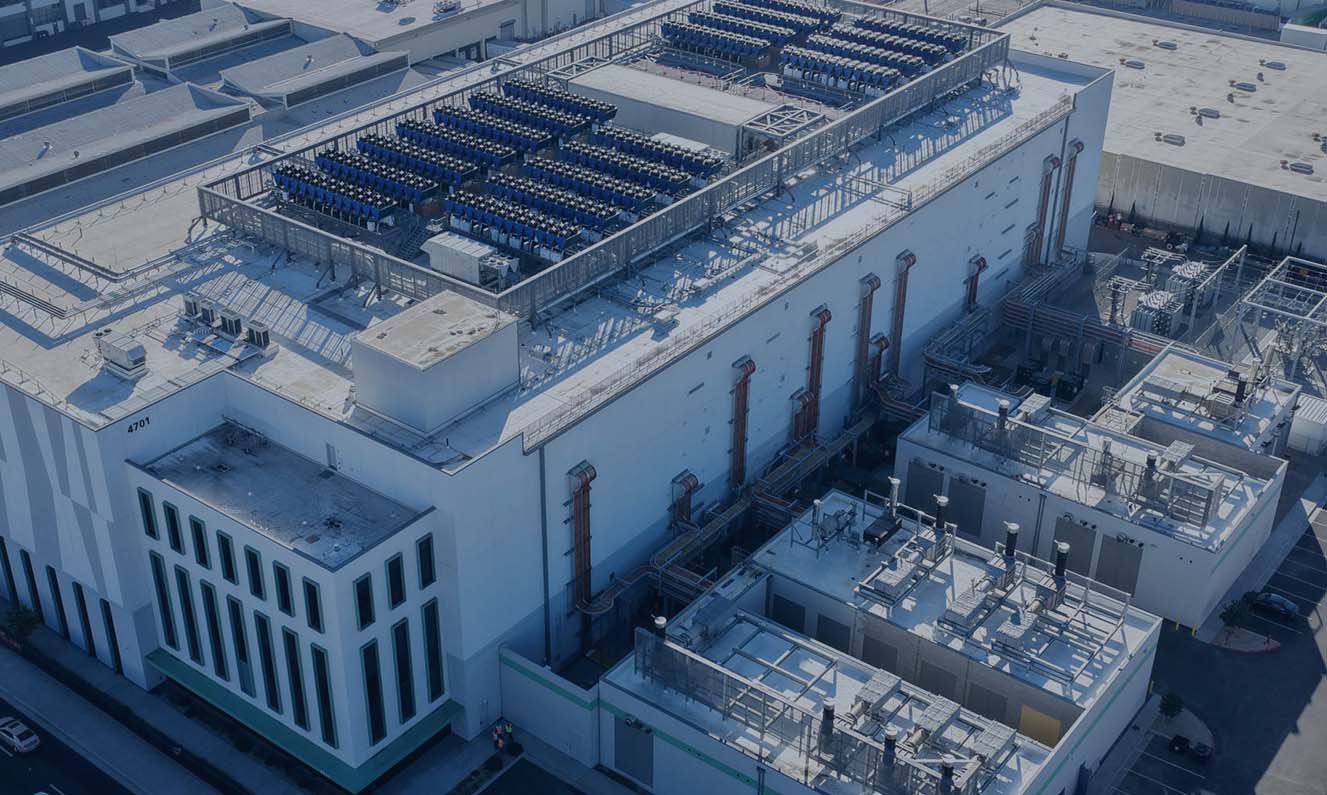
As billions of dollars flow into AI infrastructure, physical security leaders and systems integrators face an unprecedented opportunity—and a growing challenge: protecting high-value technology, managing thousands of security devices, and keeping pace with rapid expansion.
The artificial intelligence revolution is driving one of the most significant infrastructure expansions in modern history.
Organizations worldwide are racing to build and expand data centers capable of supporting AI workloads, high-performance computing, and next-generation cloud services. These facilities house extraordinary concentrations of valuable technology, including NVIDIA GPU systems, advanced servers, networking equipment, and the critical infrastructure that keeps them operating.
But while much of the attention is focused on computing power and the speed of AI innovation, another challenge deserves equal attention:
How do you physically secure these massive investments while the infrastructure is constantly expanding and evolving?
For physical security directors, data center operators, and security systems integrators, traditional approaches to physical security system design and documentation are becoming increasingly difficult to scale.
Static drawings, disconnected spreadsheets, and outdated security system documentation cannot effectively support the speed and complexity of today’s AI data centers.
Increasingly, organizations need digital security system design, collaborative workflows, and living as-builts—continuously maintained visual records of security devices, locations, and system information.
System Surveyor is being used in fast-paced, high-growth AI data center environments as a core solution to support security system design, documentation, partner collaboration, and ongoing infrastructure management.
The AI Data Center Boom Is Driving Unprecedented Demand for Physical Security
The scale of investment in AI infrastructure is extraordinary—and the demand for physical security is accelerating alongside it.
According to McKinsey, global data center investment requirements could reach $6.7 trillion by 2030, including approximately $5.2 trillion supporting AI-related computing demand.
At the same time, the global data center physical security market is experiencing significant growth.
Research from Mordor Intelligence projects that the market will expand from approximately $2.15 billion in 2025 to $4.09 billion by 2030, representing nearly 14% compound annual growth.
That’s a nearly 90% increase in the physical security market in just five years.
This projected growth reflects expanding demand for video surveillance, access control, intrusion detection, perimeter protection, and other physical security technologies designed to safeguard increasingly valuable computing infrastructure.
But the challenge goes far beyond purchasing and installing more security devices.
As AI data centers expand, security leaders must coordinate the design, deployment, and ongoing management of thousands of devices across buildings, data halls, and campuses. As deployments grow, maintaining real time visibility into device locations and status supports operational efficiency.
They must also collaborate with security systems integrators, technology manufacturers, contractors, and internal IT and cybersecurity teams—all while maintaining consistent security standards and accurate as-built documentation.
The more rapidly physical security infrastructure expands, the greater the need for digital tools to design, document, collaborate, and manage it.
This is where digital security system design and living as-builts become essential.
Rather than relying on paper floor plans and fragmented spreadsheets, AI data center operators can establish a continuously maintained digital record of their security infrastructure.
For security leaders responsible for protecting NVIDIA-powered servers and other high-value AI computing infrastructure, the objective is clear:
Build a physical security program that can scale as quickly as the AI infrastructure it protects.
A Massive Growth Opportunity for Physical Security Systems Integrators
The projected growth of the global data center physical security market represents an extraordinary opportunity for physical security systems integrators.
As AI data center operators accelerate construction, expand campuses, and deploy increasingly sophisticated security infrastructure, they will depend on experienced integration partners to design, install, commission, and maintain these complex systems.
But this opportunity comes with a challenge.
The integrators best positioned to succeed will be those that can scale their operations, collaborate more effectively, and deliver greater visibility to their customers throughout the security system lifecycle.
Traditional project-based approaches, where security system documentation is delivered at the end of installation and often becomes outdated, will not meet the demands of rapidly expanding AI infrastructure.
Data center operators need integration partners who can help them move quickly while maintaining consistency, accuracy, and accountability across thousands of security devices and multiple facilities.
That requires a shared digital approach to security system design and lifecycle management.
With software platforms such as System Surveyor, physical security systems integrators can:
- Accelerate security system design and deployment: Collaborate with customers and manufacturer partners to design and document security infrastructure more efficiently.
- Standardize projects across facilities: Establish consistent device specifications, documentation practices, and security system design standards as AI data center campuses expand.
- Improve manufacturer collaboration: Work more effectively with technology partners on security device selection, specifications, and evolving infrastructure requirements.
- Deliver a living as-built: Provide customers with continuously maintainable digital documentation rather than static project deliverables.
- Create opportunities for ongoing services: Support security system upgrades, expansions, asset lifecycle management, and recurring customer engagement beyond the initial installation.
The AI data center boom is not simply creating more installation projects. It is creating an opportunity for systems integrators to become long-term strategic partners in protecting and managing critical infrastructure.
Five Reasons Digital Security System Design and Living As-Builts Are Essential
1. The Pace of AI Data Center Expansion Demands a New Approach to Security Design
AI data center development is moving at an extraordinary speed. Recent system integrators are reporting an incredible 1150% total growth in head count simply due to demand, or a staggering 88% compound annual grow rate (12.5x).
New facilities, additional data halls, expanded campuses, and technology upgrades create a continuous cycle of infrastructure change.
For security leaders, this means designing and deploying physical security systems while simultaneously preparing for the next phase of expansion.
A large AI data center campus can require thousands of security and supporting infrastructure devices, including video surveillance cameras, access control readers, electronic locks, intrusion detection sensors, and network-connected security equipment. These deployments may also include network access points and low voltage infrastructure alongside cameras and readers.
Managing this complexity from the site survey through system design with paper floor plans and spreadsheets introduces unnecessary risk and inefficiency.
Digital security system design provides a more scalable approach.
With System Surveyor, security leaders and system integrators can visually design, document, and collaborate on security solutions across facilities and campuses.
Rather than repeatedly recreating plans or searching for outdated documentation, each team member can work from a shared digital environment that supports faster planning, more consistent deployments, and better coordination.
In an industry where speed to operational readiness matters, having accurate and accessible security system information can become a meaningful competitive advantage.
2. Protecting High-Value NVIDIA and AI Computing Infrastructure Requires Precision
The concentration of high-value computing technology inside AI data centers raises the stakes for physical security.
NVIDIA GPU systems, advanced AI servers, high-speed networking equipment, and supporting infrastructure represent substantial capital investments.
Protecting these assets requires layered security strategies that extend from campus perimeters and building entrances to sensitive equipment rooms and data halls.
Physical security leaders must be able to answer important questions:
- Where are the security cameras, access control devices, and intrusion sensors protecting critical assets?
- Are there gaps in coverage area or access control?
- What security infrastructure needs to change when a data hall is expanded or reconfigured?
- Can teams quickly identify the security devices protecting a specific area or group of assets?
A digital living as-built provides a visual foundation for answering these questions.
By documenting security device locations, specifications, and associated system information, System Surveyor helps teams better understand the infrastructure protecting valuable AI computing environments.
This visibility supports more informed security planning, more efficient system modifications, and greater accountability throughout the facility lifecycle.
When the assets being protected are this valuable, knowing exactly what security infrastructure is deployed – and where it’s deployed – is fundamental.
3. Physical Security and Cybersecurity Are Now Inseparable
The convergence of physical security and cybersecurity is particularly important in AI data centers.
Modern physical security infrastructure is increasingly IP-connected.
Video surveillance systems, access control controllers, intercoms, and other network-connected devices are part of a larger technology environment that must be managed and protected.
Each connected physical security device represents an asset that needs to be identified, documented, maintained, and appropriately secured.
Without accurate asset information, organizations can struggle to identify unmanaged devices, coordinate firmware updates, assess system dependencies, or respond efficiently to security incidents.
This is where a digital living as-built provides significant value.
System Surveyor enables teams to maintain structured documentation of physical security devices, including information such as manufacturer, model, device location, and other relevant asset attributes.
That information can support collaboration among physical security, IT, cybersecurity, facilities, and systems integration teams.
A living as-built does not replace cybersecurity monitoring, vulnerability management, or network security platforms. Instead, it provides important physical and operational context for those activities.
For example, when a cybersecurity team identifies a potentially vulnerable camera model, accurate device documentation can help the organization determine where affected devices are installed and who is responsible for them.
You cannot effectively protect infrastructure you cannot identify, locate, and manage.
For AI data centers with thousands of connected security devices, that principle is increasingly important.
4. A Living As-Built Keeps Pace With Constant Change
Perhaps the most significant challenge facing AI data center security leaders is that these environments are never truly finished.
Technology evolves. Computing capacity expands. Equipment is upgraded. Data halls are reconfigured. Security requirements change.
Each modification can affect the physical security systems protecting the facility.
A security camera may need to be relocated. An access control point may be added. A network-connected device may be replaced. An entirely new building may be commissioned.
In a traditional documentation environment, these changes often result in fragmented information spread across contractors, engineering teams, and internal departments.
Over time, the gap between what was originally designed and what is actually installed can become substantial.
A living as-built closes that gap by making documentation an ongoing operational process rather than a one-time project deliverable.
System Surveyor supports this approach by providing a digital platform where teams can maintain and update security system information as facilities evolve.
For fast-growing AI data center operators, this creates continuity from initial design through installation, commissioning, operations, maintenance, and future expansion.
It also helps preserve institutional knowledge as projects transition between engineering firms, security integrators, facility operators, and internal security teams.
Instead of asking, “Where is the latest drawing?” teams can focus on the more important question: “What needs to happen next?”
5. Standardization, Partner Collaboration, and Operational Visibility Become Critical at Scale
As AI data center operators expand from individual facilities to multiple buildings and campuses, standardization becomes increasingly important.
Security leaders need consistent approaches to system design, device documentation, installation requirements, and ongoing management.
They also need visibility into the thousands of devices deployed across their environments.
Without a centralized digital approach, managing this complexity can lead to inconsistent documentation, duplicated effort, slower decision-making, and higher operational risk.
System Surveyor helps address these challenges by providing a collaborative platform for security system planning and documentationlifecycle management.
Security teams, systems integrators, and technology manufacturers can collaborate around consistent device information, digital floor plans, and evolving security requirements.
A living as-built also creates a valuable foundation for ongoing asset lifecycle management, including planning replacements, coordinating maintenance, supporting audits, and preparing for future expansion.
For physical security leaders, this is about more than documentation.
It is about building an operational capability that scales with the business.
The faster AI infrastructure grows, the more important it becomes to have a consistent, accurate, and accessible digital record of the systems protecting it.
From Installation Partner to Long-Term Strategic Partner: A Real-World Example
One high-growth AI data center organization using System Surveyor has recognized the value of bringing its internal security teams, systems integrators, and security technology manufacturer partners together through a common digital platform.
As its infrastructure expands, the organization is using System Surveyor to support a more collaborative approach to security system design and documentation.
Rather than relying on disconnected drawings and individual partner records, the goal is to maintain shared visibility into security infrastructure as projects move from design and deployment into ongoing operations.
This approach helps position the organization to manage rapid growth while maintaining greater consistency, accountability, and long-term visibility into its physical security assets.
For the system integrator, it creates an opportunity to move beyond individual installation projects and become a long-term strategic partner supporting the customer’s expanding security infrastructure.
For the data center operator, it provides greater continuity, consistency, and control as facilities grow.
And for technology manufacturers, it supports better collaboration around device specifications, system design, and future infrastructure requirements.
This is where the real opportunity emerges: combining rapid physical security market growth with a software-driven approach that enables operators, integrators, and manufacturers to work together throughout the entire system lifecycle.
Nine Questions AI Data Center Security Leaders and Integrators Should Be Asking
As organizations evaluate how to scale physical security operations, several important questions are emerging.
1. What is the best way to design and manage physical security systems for rapidly expanding AI data centers?
A digital security system design platform allows security leaders and integrators to plan, document, and manage cameras, access control, intrusion detection, and supporting infrastructure in a shared visual environment. System Surveyor supports this process from initial design through ongoing changes and expansion.
2. Why do AI data centers need digital living as-built documentation instead of traditional CAD drawings and spreadsheets?
Traditional drawings and paper floor plans are valuable engineering deliverables but can become outdated as facilities change. A digital living as-built provides a continuously maintained record of installed security devices, their locations, and associated asset information, improving operational visibility and collaboration.
3. How can physical security teams track thousands of cameras, access control devices, and other security assets across multiple data center facilities?
Physical security asset management software helps teams organize device inventories by location, document specifications, and maintain consistent records across buildings and campuses. Visual documentation makes it easier to locate equipment, plan upgrades, and coordinate with integration partners.
4. How does digital security system documentation help protect NVIDIA GPUs and other high-value AI computing infrastructure?
Digital security documentation helps teams understand which surveillance, access control, and intrusion detection systems protect critical areas. This supports coverage reviews, security upgrades, maintenance planning, and better coordination when high-value computing environments are expanded or modified.
5. How can physical security asset management support cybersecurity at AI data centers?
Accurate inventories of IP-connected security devices provide essential context for cybersecurity teams. Device locations, manufacturers, models, and other documented attributes can help identify potentially affected equipment, coordinate vulnerability remediation, and improve collaboration between physical security and IT.
6. How can AI data center operators collaborate more effectively with security system integrators and manufacturers?
A shared digital security system design and documentation platform allows operators, integrators, and manufacturer partners to work from consistent information. This reduces reliance on fragmented files, improves coordination during deployment, and supports a smoother transition to ongoing operations.
7. What should AI data center operators look for in physical security system design and living as-built software?
Key capabilities include visual system design, structured device inventories, collaborative workflows, consistent documentation standards, support for ongoing updates, and the ability to manage information across multiple facilities. System Surveyor brings these capabilities together to help organizations manage security infrastructure throughout its lifecycle.
8. How fast is the AI data center physical security market growing, and why is digital security management becoming essential?
Industry research projects that the global data center physical security market will nearly double from approximately $2.15 billion in 2025 to $4.09 billion by 2030.
This growth reflects increasing demand for access control, surveillance, perimeter protection, and other physical security technologies.
As facilities expand and security deployments become more complex, digital security system design and living as-built software such as System Surveyor help operators, integrators, and manufacturer partners maintain accurate device documentation, collaborate on deployments, and manage infrastructure throughout its lifecycle.
9. How can physical security systems integrators capitalize on the AI data center boom?
The rapid expansion of AI data centers creates significant opportunities for physical security systems integrators to design, deploy, and maintain increasingly complex security infrastructure.
Integrators can differentiate themselves by using collaborative security system design software, such as System Surveyor, to standardize deployments, work more effectively with manufacturer partners, provide customers with living as-built documentation, and support ongoing security asset management across multiple facilities.
This approach can help integrators build deeper, longer-term relationships with AI data center customers while creating opportunities for ongoing services and recurring engagement.
From Security Drawings to a Strategic System of Record
The AI data center revolution is redefining expectations for physical security.
Protecting these environments requires the ability to move quickly without sacrificing visibility, consistency, or control.
That is why digital security system design and living as-builts are moving from optional project tools to essential components of modern security operations.
System Surveyor is helping teams in high-growth AI data center environments meet these demands by bringing security system design, device documentation, and collaboration into a shared digital platform.
The value extends well beyond the initial construction or installation phase.
A living as-built becomes an enduring resource for the teams responsible for protecting and operating these facilities as they grow.
For security leaders responsible for safeguarding NVIDIA-powered AI infrastructure and other high-value computing assets, the opportunity is clear: build a security management foundation that can evolve as quickly as the technology it protects.
For systems integrators, the opportunity is equally compelling: become an indispensable partner by delivering not only security technology, but the digital collaboration and ongoing documentation capabilities customers increasingly need.
Protecting the Future of AI Starts With Knowing What Protects It
The AI data center revolution represents a defining growth opportunity for the physical security industry.
For data center operators, the challenge is protecting increasingly valuable infrastructure while maintaining visibility and control.
For physical security systems integrators, the opportunity is to become indispensable partners in designing, deploying, and managing the security systems protecting that infrastructure.
And for both, digital security system design, collaboration, and living as-builts are becoming essential capabilities.
The future of AI data center security will not be defined simply by how much technology is deployed, but by how effectively operators, integrators, and manufacturers collaborate to design, document, and manage it.
System Surveyor is helping enable that future.
Design it digitally. Collaborate seamlessly. Document it accurately. Scale with confidence.
Discover how System Surveyor helps security leaders, AI data center operators, and systems integrators design, document, and manage physical security infrastructure
Research Sources
Market figures are third-party industry projections, not actual spending totals.

Maureen Carlson is co-founder and president of System Surveyor, the leading digital platform for physical-security site surveys and system design. With 25 + years in B2B SaaS and security technology, she leads the go-to-market and operations with a top notch team. Under her leadership, System Surveyor has grown into an industry-defining software used worldwide to streamline system design, enable collaboration, and raise the bar for security and technology professionals. Maureen enjoys building relationships in the industry and user community to build sustainable, high growth business. In her spare time in beautiful Austin, you’ll find her spending time outdoors, on a tennis court, reading or with family and friends.